 Nel mondo dell’industria alimentare, garantire l’integrità del prodotto durante la movimentazione è cruciale e RGS Vacuum Systems ha sviluppato un impianto superando sfide tecniche rilevanti
Nel mondo dell’industria alimentare, garantire l’integrità del prodotto durante la movimentazione è cruciale. Un esempio virtuoso arriva da un recente progetto realizzato da RGS Vacuum Systems, che ha sviluppato un impianto di trasporto pneumatico per polveri alimentari — nello specifico, farina a base di grasso essiccato — affrontando e superando sfide tecniche rilevanti.
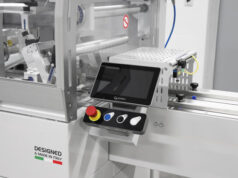
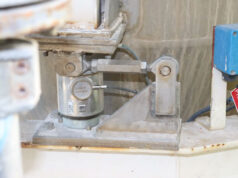
L’obiettivo dell’impianto era duplice: trasferire il prodotto da big-bag o sacchi da 15-20 kg con precisione in sottrazione di peso, evitando ogni potenziale contaminazione e preservando le proprietà organolettiche. Il cuore del sistema è un ciclo automatico regolato da pannello elettrico, che permette all’operatore di impostare il quantitativo desiderato. Il sistema provvede quindi ad aspirare la farina dalla stazione svuota big-bag fino alla tramoggia di ricezione, pronto a trasferirla nel sacco finale previa conferma dell’operatore.
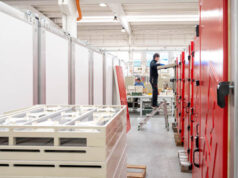
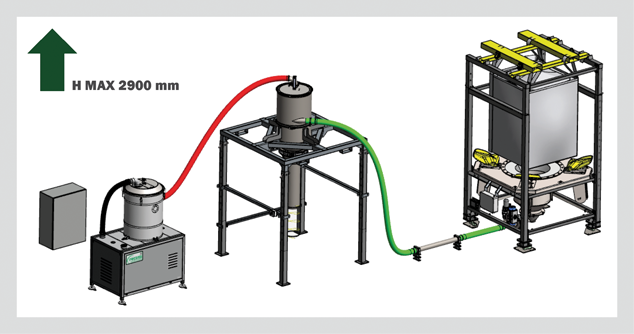 La vera complessità del progetto è emersa dalle condizioni strutturali: l’impianto è stato installato in un ambiente con un’altezza massima di soli 2900 mm. Questo vincolo ha richiesto la progettazione e realizzazione di componenti altamente customizzati, capaci di garantire performance elevate in spazi estremamente contenuti.
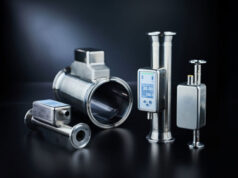
Tra i vantaggi principali del trasporto pneumatico si evidenzia la protezione del prodotto da contaminazioni esterne, elemento essenziale nel contesto alimentare. Inoltre, il sistema garantisce una movimentazione rapida, continua e senza interruzioni, contribuendo a ottimizzare la produttività. Tutti i componenti a contatto con il prodotto sono conformi al Regolamento (CE) 1935/2004, a tutela della sicurezza alimentare.
L’impianto RGS rappresenta così un esempio concreto di come la tecnologia del trasporto pneumatico possa essere adattata con efficacia anche a contesti installativi complessi, mantenendo al centro le esigenze di precisione, igiene e versatilità richieste dall’industria alimentare moderna.
Custom pneumatic conveying system for food powders
It is crucial to ensure product integrity during handling and RGS Vacuum Systems has developed a pneumatic conveying system overcoming significant technical challenges in the process
It is crucial to ensure product integrity during handling. A prime example of this comes from a recent project carried out by RGS Vacuum Systems. The company developed a pneumatic conveying system for food powders – specifically, dried fat-based flour – overcoming significant technical challenges in the process.
The system had two main objectives: to transfer the product from big bags or 15-20 kg sacks with precise loss-in-weight and to avoid any potential contamination while preserving the organoleptic properties. At the heart of the system is an automatic cycle regulated by an electrical panel, which enables the operator to select the required quantity. The system then sucks the flour from the big bag emptying station to the receiving hopper, ready for transfer it to the final bag upon operator confirmation.
The project’s real complexity emerged from the structural conditions: the system had to be installed in an environment with a maximum height of only 2900 mm. This required highly customised components to be designed and manufactured that could guarantee high performance in extremely confined spaces.
One of the main advantages of pneumatic transport is that it protects the product from external contamination, which is essential element in the food industry. Additionally, the system ensures fast, continuous and uninterrupted handling, helping to optimise productivity. All components in contact with the product comply with Regulation (EC) 1935/2004 on materials and articles intended for use in foodstuffs, thereby ensuring food safety.
The RGS system is a prime example of how pneumatic conveying technology can be effectively adapted to complex installation contexts, while meeting the precision, hygiene and versatility requirements of the modern food industry.