 Come la tecnologia elettrica di ITS cambia i processi industriali: precisione nella regolazione della temperatura, minori dispersioni, assenza di combustione e maggiore flessibilità di installazione
Le tecnologie elettriche per i processi termici rispondono alla richiesta dell’industria di ridurre consumi e impatto ambientale senza compromettere sicurezza e prestazioni.
Nei sistemi termici industriali, un controllo preciso della temperatura migliora la ripetibilità delle lavorazioni e aiuta a contenere consumi e costi. Le soluzioni elettriche di ITS – Induction Technology System Srl – offrono elevata precisione, bassa inerzia termica e ridotte perdite convettive; ceramiche avanzate e isolanti di nuova generazione limitano ulteriormente le dispersioni.
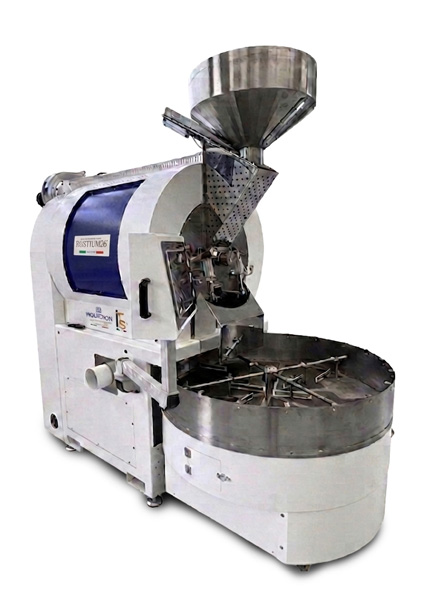 L’assenza di combustione elimina emissioni dirette di NOx o particolato, non viene consumato ossigeno in camera e non esiste il rischio di contatto tra fumi e materiale trattato. Un vantaggio rilevante nei settori farmaceutico, alimentare e nella metallurgia avanzata, dove pulizia del processo e qualità del prodotto sono essenziali.
Senza bruciatori e sistemi di scarico fumi, l’impianto è più semplice: si riducono i costi di engineering, usura e manutenzione, mentre aumenta la flessibilità del layout. L’integrazione con sensoristica IoT e controlli digitali abilita inoltre la manutenzione predittiva e contribuisce a limitare i fermi macchina.
Decarbonizzazione e flessibilità energetica
Il passaggio dal gas all’elettrico riduce le emissioni dirette di processo e, se abbinato a PPA da fonti rinnovabili o ad autoproduzione, può abbattere ulteriormente l’impronta carbonica. La rapidità di risposta facilita anche l’integrazione negli Energy Management System, per gestire i picchi di prelievo e modulare i consumi secondo tariffe o programmi di Demand Response.
Incentivi e competitività
Il quadro normativo e la finanza agevolata accelerano la transizione. Misure come il Nuovo Piano Transizione 5.0 del Mimit premiano investimenti capaci di generare riduzioni strutturali e certificate dei consumi. Per il manifatturiero, l’elettrificazione termica diventa così una leva concreta di efficienza, sostenibilità e competitività.
Energy efficiency and thermal control
How ITS electric technology is transforming industrial processes: Precise temperature regulation, reduced heat loss, no combustion and greater installation flexibility
Electric technologies for thermal processes meet the industry’s demand to reduce consumption and environmental impact without compromising safety and performance.
In industrial thermal systems, precise temperature control improves process repeatability and helps contain consumption and costs. ITS – Induction Technology System – electric solutions offer high precision, low thermal inertia, and reduced convective heat loss. Advanced ceramics and cutting-edge insulating materials further limit heat loss.
The absence of combustion eliminates direct NOx and particulate emissions, as well as oxygen consumption in the chamber. It also eliminates the risk of contact between fumes and the material treated. A significant advantage in the pharmaceutical, food and advanced metallurgy sectors, where process cleanliness and product quality are essential.
Without burners, gas trains and flue gas exhaust systems, thermal installations are simpler: engineering, wear and maintenance costs are reduced, while layout flexibility is enhanced. Integration with IoT sensors and digital controls also enables predictive maintenance and helps limit machine downtime.
Decarbonization and energy flexibility
The shift from gas to electricity reduces direct process emissions and, when combined with PPAs from renewable sources or from self-generation, can further reduce the carbon footprint. Rapid response also facilitates integration into Energy Management Systems, to manage power peaks and modulate consumption according to tariffs or Demand Response programs.
Incentives and competitiveness
The regulatory framework and subsidised finance are accelerating the transition. Measures such as the Mimit’s New Transition Plan 5.0 reward investments capable of generating structural and certified reductions in energy consumption. For the manufacturing sector, thermal electrification thus becomes a tangible driver of efficiency, sustainability and competitiveness.