 ATP Group ha scelto un approccio “proof-first”: prima validare, poi dichiarare. L’obiettivo non è sostituire ogni materiale fluorurato, ma individuare dove la transizione è tecnicamente possibile, sicura e sostenibile
Nel settore alimentare e beverage, la scelta dei materiali per guarnizioni, membrane e sistemi di tenuta è sempre più legata a tre fattori chiave: sicurezza, conformità normativa e continuità prestazionale. Il tema PFAS, oggi al centro dell’evoluzione regolatoria europea, sta portando molte aziende a rivalutare materiali, fornitori e processi di qualifica.
I PFAS, spesso definiti “forever chemicals”, comprendono una vasta famiglia di sostanze caratterizzate da legami carbonio-fluoro estremamente stabili. Questa caratteristica ne ha favorito l’impiego in numerose applicazioni industriali, ma è anche alla base della crescente attenzione ambientale e normativa. È però fondamentale distinguere tra PFAS non polimerici e fluoropolimeri ad alte prestazioni, come PTFE, FEP e PFA, utilizzati in componenti tecnici per la loro inerzia chimica, resistenza termica, basso attrito e durabilità.
Nel food processing, questi materiali sono spesso presenti in guarnizioni dinamiche, membrane, rivestimenti di tubi e valvole, pompe, sistemi di riempimento e componenti esposti a detergenti, grassi, alte temperature e cicli CIP/SIP. In questi contesti, la sostituzione non può essere affrontata solo in termini teorici: un materiale alternativo deve dimostrare, con dati oggettivi, di garantire sicurezza alimentare, stabilità dimensionale e resistenza alle condizioni reali di processo.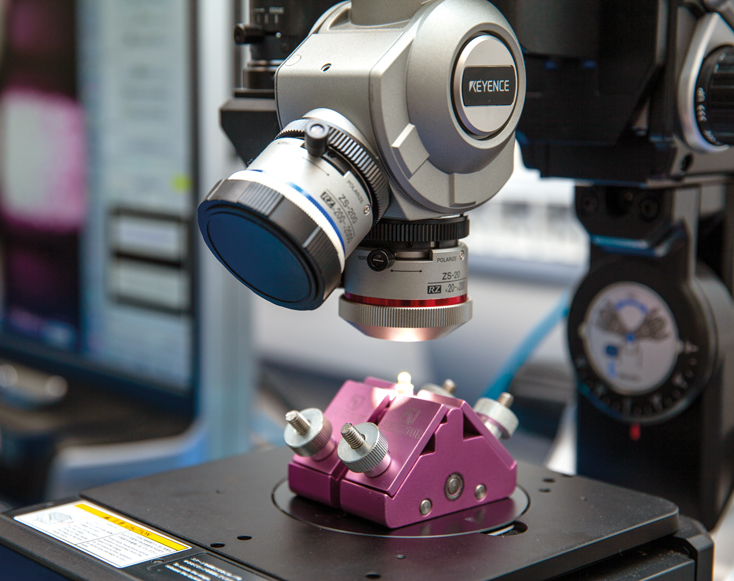
Per questo ATP Group ha scelto un approccio “proof-first”: prima validare, poi dichiarare. Il percorso parte dalla mappatura delle formulazioni contenenti PFAS, diretti o indiretti, e prosegue con test di laboratorio su elastomeri e compound alternativi PFAS-free. Le verifiche includono resistenza chimica, compression set, invecchiamento termico, immersione in fluidi e compatibilità con i requisiti per il contatto alimentare.
L’obiettivo non è sostituire indiscriminatamente ogni materiale fluorurato, ma individuare dove la transizione è tecnicamente possibile, sicura e sostenibile. In alcune applicazioni critiche, infatti, i fluoropolimeri restano ancora difficili da sostituire senza compromettere le prestazioni. In altre, invece, nuove formulazioni PFAS-free possono offrire una concreta alternativa.
Nel settore alimentare, ATP ha già sviluppato alternative PFAS-free per sistemi di tenuta resistenti a sanificazioni aggressive, con test superiori a 500 ore a 120 °C. Un esempio concreto di come innovazione sostenibile e performance possano procedere insieme.
La transizione PFAS rappresenta quindi non solo un vincolo normativo, ma un’occasione per ripensare materiali, tracciabilità e criteri di validazione. Per i costruttori di impianti alimentari, il valore sarà sempre più nella capacità di scegliere partner tecnici in grado di accompagnare l’intero percorso: dall’analisi del materiale fino alla prova in campo.
https://www.atpgroup.it/
PFAS and food contact materials: Managing the transition with a methodical approach
ATP Group has adopted a “proof-first” approach: Validate first, declare later. The goal is not to replace every fluorinated material, but rather to identify where the transition is technically feasible, safe and sustainable
In the food and beverage industry, the selection of materials for seals, diaphragms and sealing systems is increasingly driven by three key factors: safety, regulatory compliance and long-term performance. The ongoing evolution of European regulations concerning PFAS is prompting many manufacturers to reassess materials, suppliers and qualification processes.
PFAS, often referred to as “forever chemicals”, include a broad family of substances characterized by extremely stable carbon-fluorine bonds. While these properties have made PFAS valuable in numerous industrial applications, they have also raised growing environmental and regulatory concerns. It is important, however, to distinguish between non-polymeric PFAS and high-performance fluoropolymers such as PTFE, FEP and PFA, which are widely used in technical components thanks to their outstanding chemical inertness, thermal resistance, low friction and durability.
In food processing applications, these materials are commonly found in dynamic seals, diaphragms, hose and valve linings, pumps, filling systems and components exposed to aggressive cleaning agents, fats, high temperatures and repeated CIP/SIP cycles. In such environments, material replacement cannot be approached from a purely theoretical perspective. Any alternative material must demonstrate, through objective testing, that it can ensure food safety, dimensional stability and reliable performance under real operating conditions.
For this reason, ATP Group has adopted a “proof-first” approach: validate first, declare later. The process begins with the identification of formulations containing direct or indirect PFAS and continues with comprehensive laboratory testing of PFAS-free elastomers and compounds. Evaluations include chemical resistance, compression set, thermal ageing, immersion testing and compliance with food-contact requirements.
The objective is not to replace every fluorinated material indiscriminately, but rather to identify where the transition is technically feasible, safe and sustainable. In certain critical applications, fluoropolymers remain difficult to replace without compromising performance. In many others, however, newly developed PFAS-free formulations can provide a reliable and effective alternative.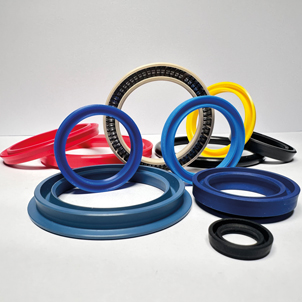
For the food industry, ATP has already developed PFAS-free sealing solutions capable of withstanding aggressive sanitisation processes, successfully completing validation tests exceeding 500 hours at 120°C. This demonstrates that sustainable innovation and high performance can successfully coexist.
The PFAS transition should therefore be viewed not only as a regulatory challenge, but also as an opportunity to rethink material selection, traceability and validation methodologies. For food equipment manufacturers, competitive advantage will increasingly depend on selecting technical partners capable of supporting the entire process—from material analysis and qualification to field validation and long-term application performance.